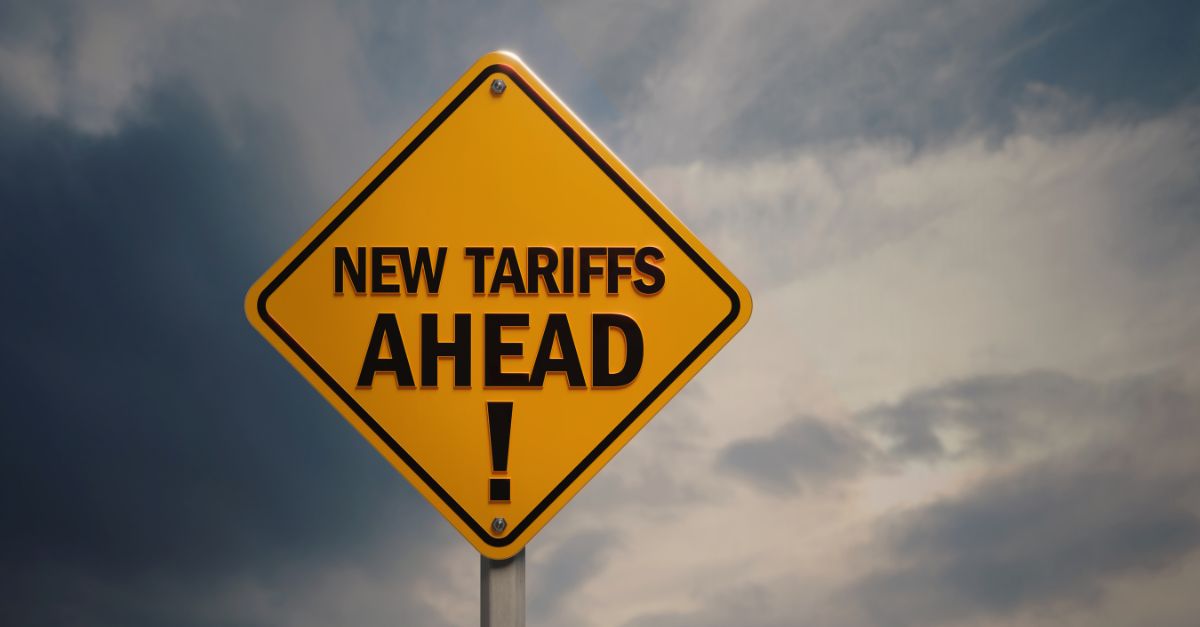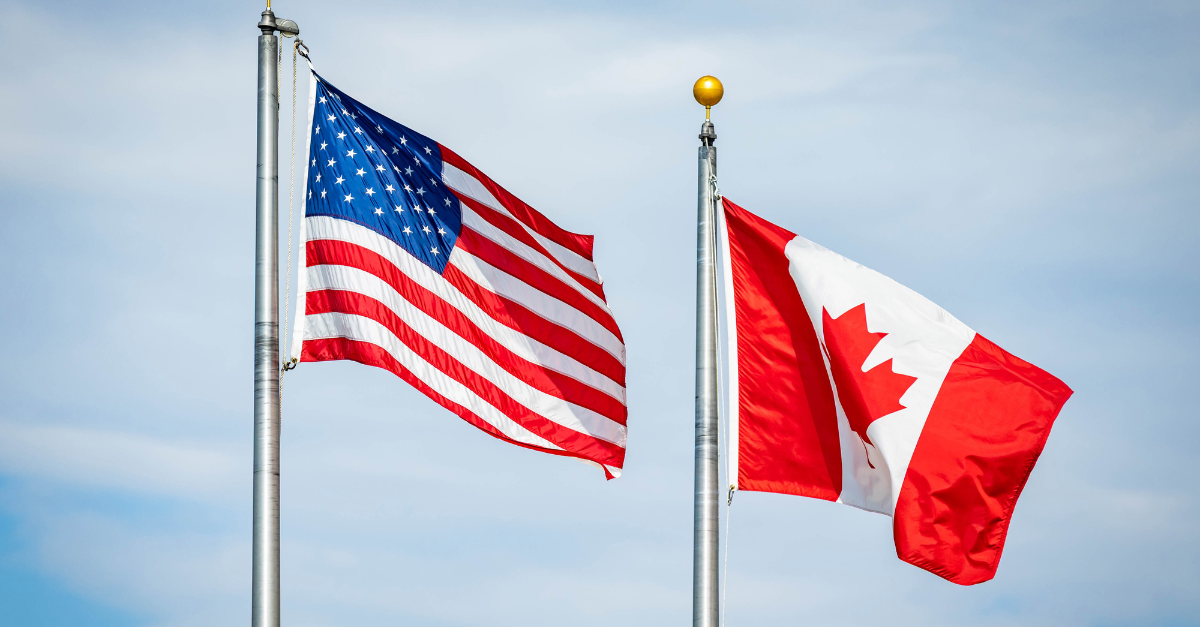
Canada has announced a new round of counter-tariffs on U.S. goods following the United States' decision to impose new tariffs on Canadian products.
Trade policy can change quickly.
Effective September 8, 2026, Canada will apply new tariffs of 15%, 25%, or 50% to targeted U.S. goods, with rates designed to match corresponding U.S. tariffs. The measures cover approximately $27.6 billion in imports from the United States.
For Canadian importers, the important question isn't whether your supplier is American. It's whether your specific goods and tariff classification appear on the list.
That's what we're checking.
What Changed?
The United States imposed 50% tariffs on $27.6 billion of Canadian goods effective August 22. Canada's response is designed to match those measures dollar for dollar and rate for rate.
Beginning September 8, affected U.S.-origin products will be subject to Canadian counter-tariffs of 15%, 25%, or 50%, depending on the tariff item.
The targeted sectors include steel and aluminum, dairy, appliances, agricultural equipment, pulp and paper, plastics, electronics, furniture, and clothing and apparel.
Some steel and aluminum products already subject to 25% Canadian counter-tariffs will increase to 50%. Other existing counter-tariffs, including measures affecting U.S. autos, remain in place.
That makes classification particularly important. Two products that sound similar commercially may fall under different tariff items and therefore face very different treatment at import. The rate that applies to your shipment depends on the tariff-item level, not the general category.
What We're Reviewing With Clients Right Now
We're reviewing the actual shipment.
That means checking HS tariff classifications, country of origin, product descriptions, commercial invoices, applicable counter-tariff rates, existing surtaxes or countermeasures, shipment timing, and whether goods are already in transit.
Canada has published the affected products at the tariff-item level, so classification of the imported goods matters, and there's an important timing detail worth flagging right now.
The government has stated that the new September 8 countermeasures will not apply to U.S. goods already in transit to Canada when the measures come into force. If you have freight moving now, timing and documentation matter more than usual.
Country of Origin Matters Too
Where you purchased a product and where it originates aren't necessarily the same thing.
The new measures apply to goods originating in the United States, in accordance with Canada's rules for determining whether goods are eligible to be marked as U.S. goods under the CUSMA country-of-origin marking regulations.
An American supplier alone doesn't answer the question. We need to look at the goods themselves: what they are, where they were made, and how origin is determined under the applicable rules.
This is exactly why we prefer to review documentation before the shipment reaches the border. By then, the easy corrections aren't easy anymore.
What Canadian Importers Should Do Now
Start with your upcoming shipment list. Then work through these questions before freight moves:
What are you importing? Make sure product descriptions are specific enough to support accurate classification. Vague descriptions create clearance problems.
What are the HS tariff classifications? The counter-tariff list is organized at the tariff-item level. General product categories aren't enough.
Where do the goods originate? Confirm origin. Don't rely solely on the supplier's location or the country named on the invoice.
What rate applies? Depending on the tariff item, affected goods may face a counter-tariff of 15%, 25%, or 50%. The difference between those rates matters for landed cost.
Is the shipment already moving? Goods already in transit when the measures take effect may be treated differently. If freight is en route, check now.
What does this do to landed cost? Before placing the next order, calculate the actual effect on the total import cost. A new tariff rate changes the math on a lot of purchasing decisions.
These are straightforward questions. They're just much easier to answer before the truck reaches the border.
What We're Doing Behind the Scenes
We've already started reviewing affected classifications and upcoming shipments for StraitLink clients importing from the United States.
Here's how we're thinking about it: a new tariff announcement doesn't mean every shipment needs to change. It means every potentially affected shipment needs to be checked. For some clients, that review confirms their goods aren't included, and that's useful information too. For others, we're flagging a classification that needs attention, an origin question that needs verification, or a timing issue related to the September 8 effective date.
Either way, we'd rather identify it now than explain it after freight has already arrived.
We stay current on these measures so our clients don't have to track every tariff table themselves, and when something changes, you hear it from us before it shows up at the border.
Final Thoughts
There will be plenty of analysis about what these counter-tariffs mean for Canada-US trade broadly. That's a longer conversation.
For importers, the immediate task is simpler: check the goods, classification, origin, and timing.
Canada's new counter-tariffs take effect September 8. Rates vary significantly by product, and the in-transit carve-out has a built-in hard deadline.
If you have U.S. freight booked, in production, or already en route to Canada, send us your product list, HS classifications, commercial invoices, and shipment details. We'll review them against the new measures and tell you what applies, before your freight reaches the border, while there's still time to act.