
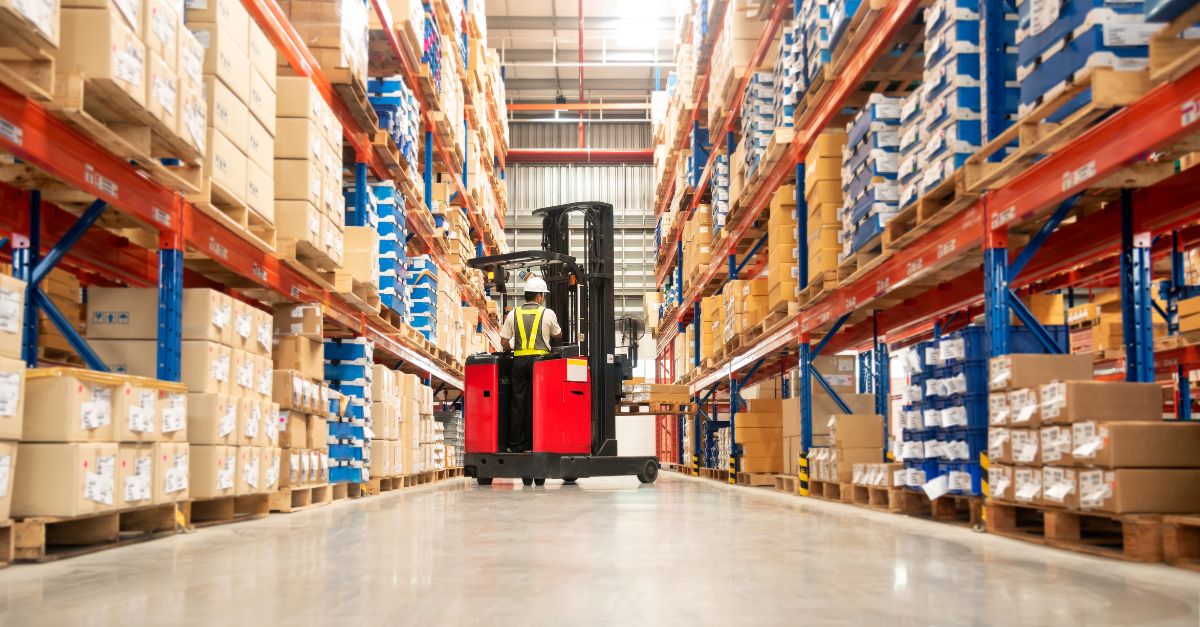
From the Canadian forwarder’s perspective, hub design is a practical exercise: place consolidation and cross-dock capacity where it shortens dwell time, reduces touches, and protects cut-off windows. Improve efficiency and communication while going above and beyond for shippers by building a service area that works with their cargo, not around it.
At StratilLink Global, we plan, book, and coordinate 3PL warehousing, cross-docking, and bonded options for Canada–U.S. shipments from our Toronto-based home.
Discover how StratilLink Global plans hubs that are custom-tailored to your logistics needs, striking a balance between cost and speed, and ensuring freight arrives on time without adding unnecessary complexity to your network. We confirm that transportation is adjusted when windows shift, so your logistics plan remains executable—not theoretical.
Where to consider consolidation hubs (Canada / U.S.)
- Primary air gateways, including Toronto/Montreal/Vancouver, align export screenings and CBSA entries with airline cut-offs. We pre-clear and stage shipments for the first available uplift.
- Primary ocean ports, Vancouver/Prince Rupert/Montreal/Halifax, choose CFS with proven appointment lead times; we lock drayage early to protect free time.
- U.S. linehaul feeders, operating in Chicago/New York/New Jersey/Los Angeles, deploy partner cross-docks with late trailers and early dispatches; we reconcile scans at each interchange.
- Near-border options, such as Windsor-Detroit/Fort Erie-Buffalo/Lacolle-Champlain, position cross-dock capacity for same-day Canada–U.S. transfers. We file CBSA/CBP entries in advance to reduce examination risk.
- Bonded options (Canada), CBSA-licensed warehouses near YVR/YYZ/YUL, and major ports, for use in in-bond moves and origin corrections. We manage acquittal and release to avoid storage.
Cross-dock points: when and why
- Mode shift, from air to road or ocean, and LCL-to-truck consolidation reduce touches and reweighs; we confirm piece counts and capture photo sets at the dock.
- Time compression, short lead windows to airline or rail cut-offs, we schedule dock turns against actual cut-offs, not averages.
- Cost control: bypass long-term storage with same-day transfers. We reserve dock time and drivers before arrival to minimize dwell time.
- Claims prevention and physical verification at the cross-dock; we log seals, exceptions, and packaging status to support any claim.
Bonded warehouses: use cases
- In-bond transit can defer duties while rerouting or awaiting permits, managing bond movements, and acquittal.
- Document fixes, correct valuation/origin before release, reissue compliant entries, and prevent administrative penalties.
- Deconsolidation: split shipments by consignee or region without immediate duty payment. We align with your Incoterms and customer commitments.
Regional centers: cost vs. speed
- East / Central / West cadence, YUL-YYZ-YVR patterns balance population density and gateway reliability; we select carrier lanes with consistent cut-offs.
- 1–2-day ground rings, build rings from major metros to cover the customer service area, and backup modalities.
- Peak and weather buffers, along with secondary centers (e.g., Calgary, Winnipeg, Quebec City), enable bypass routing, allowing us to maintain contingency capacity during peak periods.
Balancing cost vs. speed (proof, not promises)
- Transit math: Compare the additional day in consolidation versus savings per kg/pallet. We show landed-cost deltas to help you make an informed decision.
- Cut-off reality: design around actual airline/steamship/terminal cut-offs. We advance pick-ups when terminals adjust their windows.
- Touch count: fewer touches equal fewer claims. We map each touch point in your network and eliminate unnecessary handoffs.
- Regulatory certainty: choose hubs with predictable exam profiles. We pre-stage inspection packets to minimize delays.
StraitLink operational standards (applied to every file)
- Pre-clear & book, file entries ahead of arrival, reserve cross-dock slots and drivers, protect free time.
- Scan reconciliation, match piece counts at each hub, record exceptions with photos, trigger fixes immediately.
- Permits & controls verify steel/aluminum, DG, and controlled goods requirements before routing to avoid last-minute issues.
- Cut-off discipline: work to the cut-off windows on your StraitLink booking confirmation and adjust pick-ups when carriers tighten their gates.
- No-surprise billing, surface storage/demurrage risks disclosed in advance, and approvals obtained before incurring non-line haul charges.
Are you bogged down by bureaucratic red tape and unexpected delays when trying to clear your goods through Canadian or U.S. Customs? Whether you are a one-time importer or a high-volume importer keeping track of multiple shipments, any delay can be frustrating and costly.
StraitLink Global Logistics can assist you in obtaining customs clearance for your products and materials at all ports of entry in Canada and the United States. We identify and provide solutions for potential issues and requirements related to electronic data interface, USMCA documentation and processing, and HS classification.
Want a network that ships on time without paying for capacity you don’t need? Contact us today to schedule a consultation regarding your specific logistics needs.